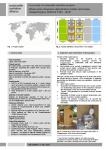
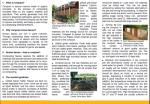
This leaflet provides a summary on why and how to compost faeces.
VALLEY VIEW UNIVERSITY (2008): Small scale composting of human faeces - in a Nutshell. Hohenheim: University of Hohenheim (Germany), Berger Biotechnik, Valley View University Ghana URL [Accessed: 01.06.2019]Library
This 5-page factsheet summarizes methods and uses of Compost.
KOFF, J.P. de LEE B.D. MICKELBART, M.V. (2007): Household Composting: Methods and Uses for Compost. (= Purdue Extension HENV-103-W ). Purdue: Purdue University URL [Accessed: 01.06.2019]This paper describes the project of constructing a thermophilic composting site in Haiti after the earthquake in 2010. The composting facilities have treated over 500,000 gallons of human waste in the past three years, converting it to pathogen free compost, over 10,000 gallons of which has been sold for use in agriculture and reforestation projects. The experience of thermophilic composting in Haiti is unique in scale and duration and can have global implications for waste treatment in both emergency and development contexts.
KRAMER, S. PRENETA, N. KILBRIDE, A. (2013): Delivering Water, Sanitation and Hygiene Services in an Uncertain Environment: Thermophilic Composting of Human Wastes in Uncertain Urban Environments. A Case Study from Haiti. (= WECD International Conference , 36 ). Oakland: Sustainable Organic Integrated Livelihoods (SOIL) URL [Accessed: 01.06.2019]The paper discusses the findings of a study of 20 compost plants, ranging in size from household composting to large centralised composting facilities, in Bangalore, Chennai, Pune and Mumbai.
ZURBRUGG, C. DRESCHER, S. PATEL, A.H. SHARATCHANDRA S.C. (2002): Decentralised Composting in India – Lessons Learnt. (= Paper presented at 28th WEDC Conference in Kolkata 18-22 November, 2002 ). Leicestershire: Water Engineering and Development Centre, Loughborough University URL [Accessed: 01.06.2019]This document gives a simple overview over toilet compost, its preparation and fields of application.
MORGAN, P. (2010): Methods of Using "Toilet Compost" in Agriculture. Stockholm : Ecological Sanitation Research (EcoSanRes), Stockholm Environment Institute (SEI) URL [Accessed: 01.06.2019]This brochure describes the compost barrels, promoted in Bangladesh and explains how to use them. 4
WASTE CONCERN (n.y): Compost Barrel. Dhaka (Bangladesh): WASTE CONCERN URL [Accessed: 01.06.2019]The four-page brochure explains the basic of composting and how yard waste and food waste can be composted at home.
CORNELL UNIVERSITY (n.y): Home Composting Brochure. URL [Accessed: 01.06.2019]This publication intends to help spread awareness and knowledge about the technology of subsurface flow constructed wetlands in developing countries. Constructed wetlands (CWs) can be used as part of decentralised wastewater treatment systems, due to their “robust”, “low-tech” nature with none or few moving parts (pumps) and relatively low operational requirements. CWs can be used for the treatment of domestic and municipal wastewater or greywater, and play an important role in many ecological sanitation (ecosan) concepts.
HOFFMANN, H. PLATZER, C. WINKER, M. MUENCH, E. von GIZ (2011): Technology Review of Constructed Wetlands. Subsurface Flow Constructed Wetlands for Greywater and Domestic Wastewater Treatment. Eschborn: Deutsche Gesellschaft fuer Internationale Zusammenarbeit (GIZ) GmbH URL [Accessed: 01.06.2019]This Sanitation Sourcebook distils some of the core concepts of sanitation in a user-friendly format so that the book can serve as a practical reference to sanitation professionals and investment decision-makers, particularly the local governments. The annexe contains a practical collection of factsheets on selected sanitation system options.
WSP (2007): Philippines Sanitation Source Book and Decision Aid. pdf presentation. Washington: Water and Sanitation Program (WSP). URL [Accessed: 01.06.2019]This site is based on the book “Home Composting Made Easy,” which has sold more than one million copies in the US.
This work seeks to expand upon the body of knowledge pertinent to enhance the treatment efficacy of Imhoff tanks within Honduras. It also includes a definition for what an Imhoff tank is and explanation of how the system works.
McLEAN, R.C. (2008): Honduras Wastewater Treatment: Chemically Enhanced Primary Treatment and Sustainable Secondary Treatment Technologies for Use with Imhoff Tanks. Pomona: California State Polytechnic University URL [Accessed: 01.06.2019]This report presents the present state of knowledge about urine-separating toilets and systems for the recirculation of urine as an agricultural fertilizer. It contains a description of urine separation technology and how a system can be constructed for recirculating urine from residential districts to farmland. It also contains concrete recommendations about planning and management of the various components of the system.
JOHANSSON, M. (2000): Urine Separation - Closing the Nutrient Cycle. Final Report of the R&D Project: Source-Separated Human Urine - A Future Source of Fertilizer for Agriculture in the Stockholm Region. Stockholm: Stockholm Vatten, Stockholmshem & HSB National Federation URL [Accessed: 31.05.2019]The Sphere Project is an initiative to determine and promote standards by which the global community responds to the plight of people affected by desasters. This handbook contains a humanitarian charter, protection principles and core standards in four disciplines: Water, sanitation and hygiene; food security and nutrition; shelter, settlements and non-food items; and health action.
THE SPHERE PROJECT (2011): Humanitarian Charter and Minimum Standards in Humanitarian Response. Bourton on Dunsmore: Practcal Action Publishing URL [Accessed: 31.05.2019]In areas that experience a seasonally high groundwater table or that are prone to flooding, constructing affordable on-site sanitation facilities can be very problematic. It is a challenge that affects many countries worldwide. This technical brief provides practical guidance on some sanitation options in such conditions.
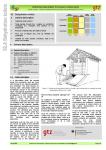
PARRY-JONES, S. (1999): On-Site Sanitation in Areas with a High Groundwater Table. Leicestershire: , Engineering and Development Centre (WEDC) Loughborough University URL [Accessed: 31.05.2019]Selected examples of graphical user instruction for dehydration toilets.
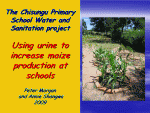
GTZ (2006): Dehydration Toilets. User Instructions for Dehydration Toilets . (= Technical Data Sheets for Ecosan Components, 02-C2 ). Eschborn: German Agency for Technical Cooperation (GTZ) GmbH URL [Accessed: 31.05.2019]This presentation exemplifies on how to increase maize production through the application of urine fertiliser.
MORGAN, P. SHANGWA, A. (2009): Using Urine to Increase Maize Production in Schools. The Chisungu Primary School Water and Sanitation project. Stockholm : Ecological Sanitation Research (EcoSanRes), Stockholm Environment Institute (SEI) URL [Accessed: 31.05.2019]Short general description on dehydration toilets.
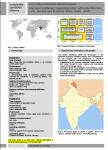
GTZ (2006): Dehydration Toilets. General Description . (= Technical Data Sheets for Ecosan Components, 02-A ). Eschborn: German Agency for Technical Cooperation (GTZ) GmbH URL [Accessed: 31.05.2019]In Leh, a small town in Jammu and Kashmir, people try to replace traditional sanitation systems by waterborne toilet systems. This project tries to revitalise the traditional ecological sanitation practice that is threatened to fall into oblivion. Different improvements of the traditional Ladhaki toilets are suggested. Due to an extremely dry climate, it is possible to process human excreta indoors without prior diversion of urine, by using a combination of soil composting and dehydration.
DAWA, S. KREUTZER, G. PANESAR, A. (2009): Improved traditional composting toilets with urine diversion, Leh, Jammu and Kashmir State, India - draft. (= SuSanA - Case Studies ). Eschborn: Sustainable Sanitation Alliance (SuSanA) URL [Accessed: 31.05.2019]This case studies reports form the implementation of ecosan toilets in the peri-urban area of Ouagadougou financed by the European Union. The aim of the project was to demonstrate ecosan on an urban level with a centralised collection and treatment facilities and commercialisation of hygienised urine and faeces.
FALL, A. (2009): Urban Urine Diversion Dehydration Toilets and Reuse Ouagadougou Burkina Faso - Draft. (= SuSanA - Case Studies ). Eschborn: Sustainable Sanitation Alliance (SuSanA) URL [Accessed: 31.05.2019]