Library
The presentation gives an overview on global trends in terms of food consumption, fertiliser needs and consumption in the agricultural sector, fertiliser prices and the potential of ‘mining’ urban phosphorus resources.
HERMANN, L. (2004): Agriculture and Fertilizers Analysis, Lessons, Solutions. Vienna: ASH DEC Umwelt AG PDF
This presentation elaborates on the socio-cultural and economic context of India and its impact on sanitation and social justice. It proposes proactive steps related to the promotion of ecological sanitation.
GNANAKAN, K. (2008): M4: Management: Planning, Implementation and Operation. Social and Cultural Aspects of Eco-Sanitation. A closer look at the Indian context. In: HEEB, J. ; JENSSEN, P. ; GNANAKAN ; CONRADIN, K. ; (2008): Ecosan Curriculum 2.3. Switzerland, India and Norway: .
The promotion of leach pit toilets and toilet linked biogas plants, as well as solid and liquid waste management technologies implemented under the total sanitation campaign (TSC) in India reduces the emission of green house gases to the atmosphere. This report examines whether the TSC program qualifies for CDM benefits, which will greatly help in financing further sanitation related initiatives at national level.
WINROCK (2008): Feasibility Study for Developing Proposal under Clean Development Mechanism (CDM) for Claiming Carbon Credits for Leach Pit Toilets & Toilet Linked Biogas Plants. Winrock International India
This document gives a short introduction on water scarcity in India, briefly presents RTRWH technology and discusses the water quality of RWH in a case study.
THAKUR, P. (n.y): Water Security Measure for Future Sustainability - Rainwater Harvesting. Pune: Ecosan Services Foundation PDF
This report contains the results of the workshop on identifying the technical recommendations for the preparation of the City Sanitation Plans (CSPs). The objectives of the workshop were among others discussing the strategy for ward proposals and awareness campaigns, the utilisation of the tools for data interpretation and subsequent recommendations and discussing the available technical options for improving the sanitation situation in the cities.
GTZ (2010): Report of the Workshop on Technical Recommendations for the City Sanitation Plans, 10th December 2010.
Nowadays, the internet has a profound effect on our entire daily lives, both in business and personally. The main aims of this research are to establish how much social responsibility is accepted by the information technology sector in this new digital age and to understand the strategies of the individual companies.
FOLEY, P. JAYAWARDHENA, C. (2001): The Stationery Office. Corporate Social Responsibility in the IT Industry. Norwich:
This paper describes the subsurface drip irrigation technique in order to save water and increase the yield.
SAKELLARIOU-MAKRANTONAKI, M. ; KALFOUNTZOS, D. ; VYRLAS, P. (2002): Water Saving and Yield Increase of Sugar Beet with Subsurface Drip Irrigation. In: Global Nest: the International Journal: Volume 4 , 85 -91.
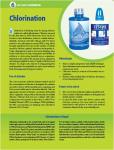
A 16-page factsheet providing information on water quality and household water treatment options. It contains an introductory section, and one on use, advantages, chlorine preparation and chlorination in Nepal.
DWSS (2009): Chlorination. (= Household Water Treatment options Fact Sheet , 6 ). DWSS, UNICEF, UN-HABITAT, USAID & ENPHOThis infographic summarises key information concerning Crown Can.