
ENCISO, J. PORTER, D. BORDOVSKY, J. FIPPS, G.
(2010):
Maintaining Subsurface Drip Irrigation Systems.
College Station:
The Irrigation Technology Center
URL
[Accessed: 08.05.2019]
Library
Study on the use of greywater for agricultural irrigation in the South African context with special focus on comparing the irrigation of plants with nutrient solution, greywater and tap water.
SALUKAZANA, L. JACKSON, S. RODDA, N. SMITH, M. GOUNDEN, T. MACLEOD, N. BUCKLEY, C. (n.y): Re-use of Greywater for Agricultural Irrigation. Kwazulu-Natal: University of Kwazulu-Natal URL [Accessed: 08.05.2019]
This literature review provides a first overview of the possibilities, potentials and limits of duckweed aquaculture and its combined use in wastewater treatment and animal feed production in low and middle-income countries. It is somewhat limited as critical literature on duckweed field use is scarce and difficult to obtain (e.g. unpublished internal documents).
IQBAL, S. (1999): Duckweed Aquaculture. Potentials, Possibilities and Limitations for Combined Wastewater Treatment and Animal Feed Production in Developing Countries. Duebendorf: Swiss Federal Institute of Aquatic Science and Technology (Eawag) URL [Accessed: 08.05.2019]
Whereas spate irrigation is the ultimate adaptation to climate variability, this document prepared for IFAD is an overview of likely impact of climate change and practical possibilities for livelihood improvement.
STEENBERGEN, F. van VERHEIJEN, O. AARST, S. van HAILE, M.H. (n.y): Spate Irrigation, Livelihood Improvement and Adaptation to Climate Variability and Change. URL [Accessed: 08.05.2019]
This paper reviews minimum design recommendations and a case study of remediation efforts on an existing commercial field.
ROGERS, D.H. LAMM, F.R. CLARK, G.A. (2004): Subsurface Drip Irrigation (SDI) System Remediation - A Case Study. St. Joseph: American Society of Agricultural and Biological Engineers URL [Accessed: 08.05.2019]
Keeping soil salinity low in the root zone is crucial to growers of salt-sensitive crops. This study investigated patterns of soil salinity under surface and subsurface drip irrigation. High soil salinity occurred midway between drip laterals for both irrigation methods and above the drip tape for subsurface drip irrigation. Rainfall leached the salts from the zones of high salinity for both irrigation methods.
HANSON, B.R. ; BENDIXEN, W.E. (1995): Drip Irrigation Controls Soil Salinity Under Row Crops. In: California Agriculture: URL [Accessed: 08.05.2019]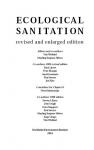
Short description on a container gardening system for dry areas based on walls with built-in growth boxes made of hollow concrete blocks and developed by a Swedish horticulturist in Botswana.
WINBLAD, U. SIMPSON-HERBERT, M. (2004): Box 5.4 Vertical gardens in Gaberone, Botswana. In: WINBLAD, U. ; SIMPSON-HERBERT, M. ; (2004): Ecological Sanitation - revised and enlarged edition. (pdf presentation). Sweden: 83. URL [Accessed: 08.05.2019]
Growing vegetables in containers can improve diets and raise incomes for urban residents in the Philippines.
AVRDC (2011): Small Spaces, Big Returns. Shanhua, Tainan: AVRDC - The World Vegetable Center URL [Accessed: 08.05.2019]
Paper on container gardening in Cagayan de Oro (Philippines) as a way of growing vegetables in urban areas.
DEVEZA, K. HOLMER, R. (2002): Container Gardening – A Way of Growing Vegetables in the City. Paper presented at the Urban Vegetable Gardening Seminar. Cagayan de Oro City, Philippines: Sundayag Sa Amihanang Mindanao Trade Expo URL [Accessed: 08.05.2019]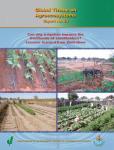
The survey focuses on the determinants of success and failure and identifies knowledge gaps that influenced either adoption or disadoption by beneficiaries. A cost-effectiveness analysis is also undertaken to compare drip kits with traditional bucket irrigation. Finally, the study draws some conclusions and lessons that can be extrapolated beyond Zimbabwe to ensure that interventions aimed at smallholder-irrigated gardens have more sustainable impacts.
BELDER, P. ROHRBACH, D. TWOMLOW, S. SENZANJE, A. (2007): Can Drip Irrigation Improve the Livelihoods of Smallholders? Lessons Learned from Zimbabwe. Bulawayo: International Crops Research Institute for the Semi-Arid Tropics (ICRISAT) URL [Accessed: 08.05.2019]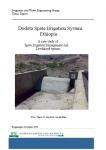
This case study focuses on the water management of the Dodota spate irrigation system, the first large scale spate irrigation system in Ethiopia. This system in the Oromia state has been recently designed and constructed to establish food-self sufficiency in an area chronically affected by food deficits and supported by food aid for over 25 years. The following main research question guided this study: How is water management taking place in the new Dodota spate irrigation system and what are the impacts and effects for irrigation, soil conservation practices, and production?
HAM, J.P. van den (2008): Dodota Spate Irrigation System Ethiopia. A case study of Spate Irrigation Management and Livelihood options . Wageningen: Wageningen University URL [Accessed: 08.05.2019]
A document about drip irrigation system including components, design advices, management of the system and additional resources.
SHOCK, C. (2006): Drip Irrigation: An Introduction. Corvallis: Oregon State University URL [Accessed: 08.05.2019]
This paper gives a complete description of a subsurface irrigation system.
REICH, D. GODIN, R. CHAVEZ, J.L. BRONER, I. (2009): Subsurface Drip Irrigation (SDI). Fort Collins: Colorado State University URL [Accessed: 08.05.2019]
NPSI
(2005):
Subsurface irrigation. Factsheet.
Canberra:
National Program for Sustainable Irrigation (NPSI)
URL
[Accessed: 08.05.2019]
The objective of this thesis study is to analyse the existing sediment control system on spate irrigation scheme, to review and test innovative sediment control and management systems and to recommend as necessary alternative sediment control and management systems and structures.
EMBAYE, T.G. (2009): Analysis of Spate Irrigation Sedimentation and the Design of Settling Basins. Delft: UNESCO-IHE Institute for Water Education (UNESCO-IHE) URL [Accessed: 08.05.2019]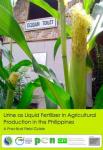
This field guide has been developed to accommodate the ever-increasing demand for more detailed and scientifically backed information on how to use urine in agricultural production. It is intended primarily for practitioners and experts in the water, sanitation, planning, and agriculture sectors, as well as local and national government officials from the various sectors, NGO and individuals interested and working in the field of agriculture and sustainable sanitation in the Philippines and the wider Southeast Asian region.
GENSCH, R. MISO, A. ITSCHON, G. (2011): Urine as Liquid Fertilizer in Agricultural Production in the Philippines. Cagayan de Oro: Sustainable Sanitation Center Xavier University (XU), the Philippine Sustainable Sanitation Knowledge Node, the Philippine Ecosan Network, and the Sustainable Sanitation Alliance (SuSanA) URL [Accessed: 07.05.2019]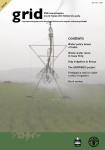
GRID is published to assist communication between researchers and professionals in the spheres of irrigation and drainage.
IPTRID (2008): Grid – IPTRID Network Magazine. February 2008. Rome: International Programme for Technology and Research in Irrigation and Drainage (IPTRID) URL [Accessed: 07.05.2019]
https://www.buildinggreen.com/feature/occupant-engagement-where-design-meets-performance
[Accessed: 07.05.2019]
Building Green is a company providing accurate, unbiased, and timely information designed to help building-industry professionals and policy makers improve the environmental performance, and reduce the adverse impacts, of buildings.
Microirrigation (drip and microsprinklers) is the predominant method for irrigation of citrus in Florida. With chemigation, microirrigation systems can also provide an economical method of applying fertiliser and other agricultural chemicals on a timely basis. However, microirrigation systems require a higher level of management expertise than other irrigation methods. Microirrigation systems are more complex, require greater filtration and water treatment, and typically have high maintenance costs compared to other types of irrigation.
BOMAN, B. SMITH, S. TULLOS, B. (2006): Control and Automation in Citrus Microirrigation Systems. Gainesville: University of Florida URL [Accessed: 07.05.2019]
POLLUTION ISSUES
(n.y):
http://www.pollutionissues.com/Ho-Li/Industrial-Ecology.html
[Accessed: 07.05.2019]