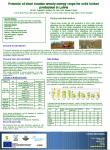
This one-page poster/factsheet provides core information on a doctoral study at the Latvia University of Agriculture on the potential of short rotation energy crop production in Latvia, which has been conducted between 2005-2008 and gives useful links to further information.
LAZDINA, D. LIEPA, I. (2009): Potential of short rotation woody energy crops for solid biofuel production in Latvia. Salaspils, Latvia: Latvia State Forest Research Institute “Silava”, Latvia University of Agriculture Forest FacultyLibrary
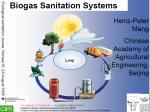
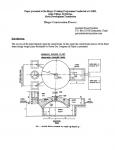
This PDF-presentation gives a good introduction to biogas sanitation as a sustainable and ecological sanitation approach. Basic principles and main features are illustrated. Some design considerations are also addressed.
MANG, H. P. (2005): Biogas Sanitation Systems. (= Ecological sanitation course ). Beijing: Chinese Academy of Agricultural EngineeringThis chapter is part of a publication, commissioned by the Netherlands Agency for Energy and the Environment (Novem) on the status and perspectives of research and development in the field of high-tech biological production of methane and hydrogen. Chapter 4 gives a short but precise introduction the technological aspects of waste treatment by anaerobic digestion and the reuse of the produced biogas.
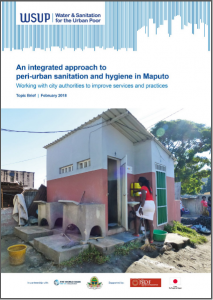
MES, T.Z.D. de STAMS, A.J.M. ZEEMAN, G. (2003): Chapter 4. Methane production by anaerobic digestion of wastewater and solid wastes. In: REITH, J.H. ; WIJFFELS, R.H. ; BARTEN, H. (2003): Biomethane and Biohydrogen. Status and perspectives of biological methane and hydrogen production. 58-94.This topic brief documents the approach, outcomes and learning of an integrated sanitation and hygiene programme implemented in Maputo, Mozambique during the period 2013-2017. The programme was funded by the World Bank-managed Japanese Social Development Fund (JSDF) and implemented by WSUP and the Water and Sanitation Program (WSP) of the World Bank.
DRABBLE, S. and PARENTE, V. (2018): An integrated approach to peri-urban sanitation and hygiene in Maputo . Water & Sanitation for the Urban Poor (WSUP) URL PDFThis manual focuses on one approach to participatory training which PROWESS has applied in numerous projects and workshops. Intended primarily for the training of trainers in participatory techniques, it describes these techniques in a "how to" step-by-step fashion. This manual is also intended to be a "discussion starter" and delves into some of the political issues underlying participation and the often conflicting priorities of communities and development practitioners.
SRINIVASAN, L. (1990): Tools for Community Participation. A Manual for Training Trainers in Participatory Techniques. New York: PROWESS/UNDP Technical SeriesAfter the preparation of the City Sanitation Plan (CSP) of Kochi, India, GIZ has initiated this intervention among others. The recommendation of the CSP was to make an inventory of waste water discharge from the households and to implement intermediate measure such as household sanitation systems.
GIZ (2012): Implementation of Household Sanitation System in Slum Areas at Kochi. Eschborn: Gesellschaft fuer Internationale Zusammenarbeit (GIZ)Both nitrogen and phosphorous are essential to life. Phosphorous is a scarce resource and is the focus of intense geopolitical interest. Nitrogen, on the other hand, is a resource in plenty. But indeed, the world today faces a nitrogen deluge. That is because a lot of it exists in the form of waste. Now, nitrogen-bearing waste goes not back to the land but into water. This issue of "Down to Earth" deals with the question, whether it is possible "not to be at war" with these two elements.
ROSMARIN, A. (2004): In a fix: The precarious geopolitics of phosphorus. In: Down to Earth: , 27-34.